A Global Shift Away From Trade Liberalization? 

Since the inception of the General Agreement on Tariffs and Trade (GATT) in 1947, trade liberalization has allowed the world economy to flourish and integrate. Replaced by the World Trade Organization (WTO), GATT gradually transferred its status as a spearhead of global trade. One of the main goals of these organizations was to tackle trade
Canadian and U.S. Economic Interdependence in the Industrial Sector: Vulnerability or Opportunity?

Canada’s economic relationship with the United States has recently evolved from an advantage to a security concern and an area of interdependence. The escalation of Canada-U.S. trade tensions since the Trump administration’s re-election has demonstrated how quickly Canadian industries can be vulnerable to policy decisions made outside Canada. The United States began imposing substantial new

Is Canada’s EU “Associate Membership” Just a Rebrand?

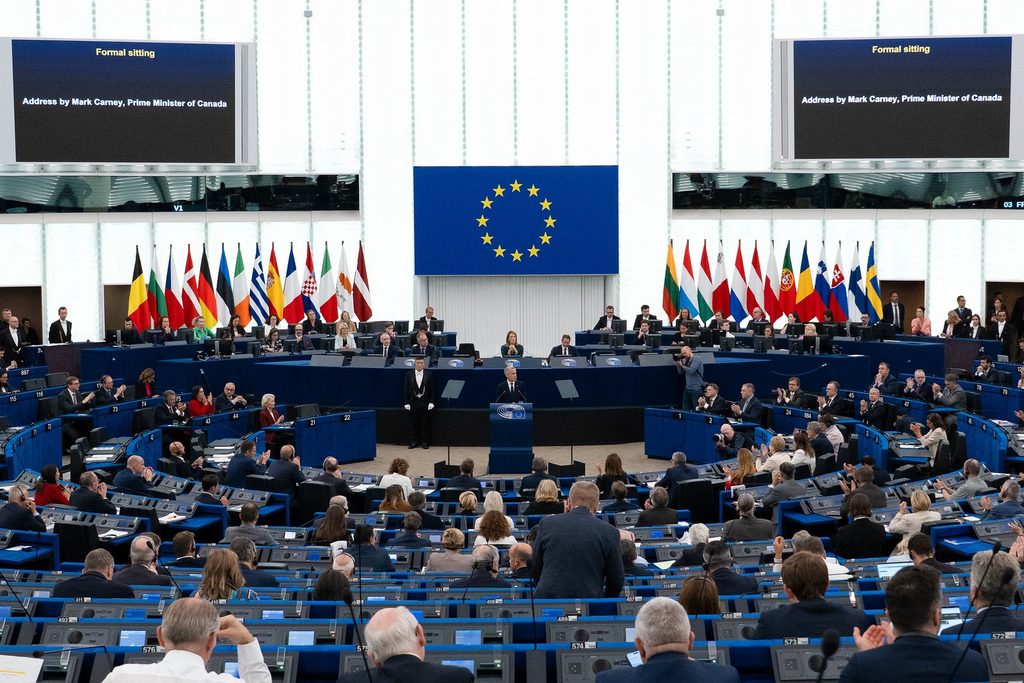
A title of “associate member” of the European Union was offered to Canada by European Commission President Ursula von der Leyen on September 16 at the annual state of the European Union address. The offer was framed as a reimagining of the partnership, which Ottawa has responded to positively. While the title lacks meaning right

A Closer Look at Israel’s Arms Trade Network

Firing a weapon is simple, in theory. Pull a trigger, press a button, or fly a plane; fighting takes place only in the here and now.  Or does it? Putting a weapon in someone’s hand takes many hands across many countries in its transformation from raw materials into arms. Today, nearly every country relies on

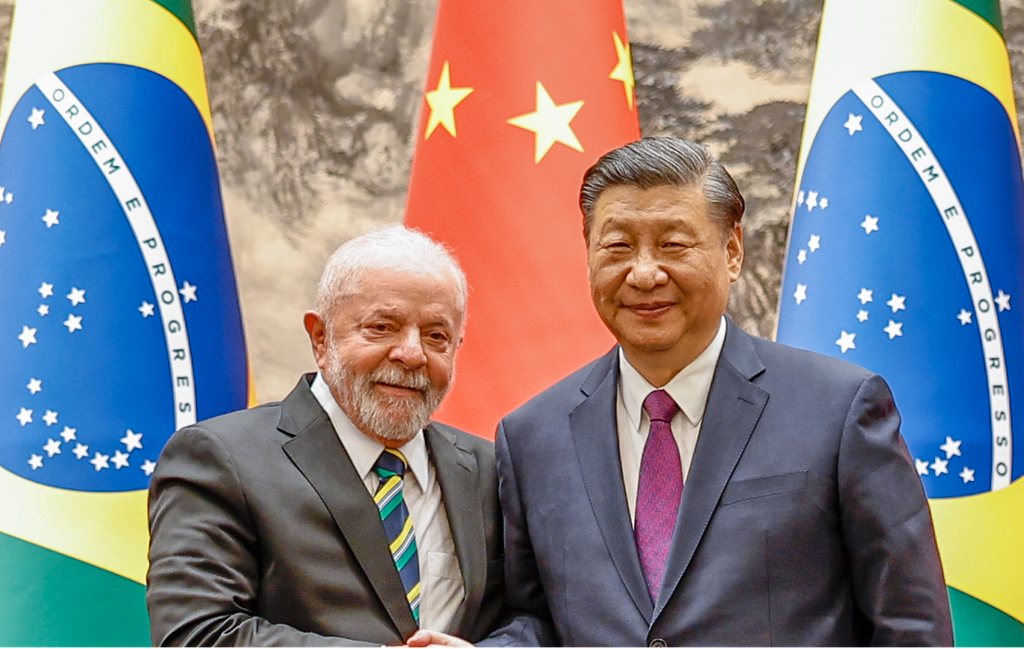
A China-Supported Brazil Could Help Save the Amazon

An unexpected win. Following victory over far-right opponent Flávio Bolsonaro in the Brazilian presidential election, President Luiz Inácio Lula da Silva’s celebration of “democracy always” is also a promising outcome for the country’s commitments to climate action. Moving against the trend of far-right Latin American governments, such as those in Argentina, Colombia and Ecuador, Lula’s

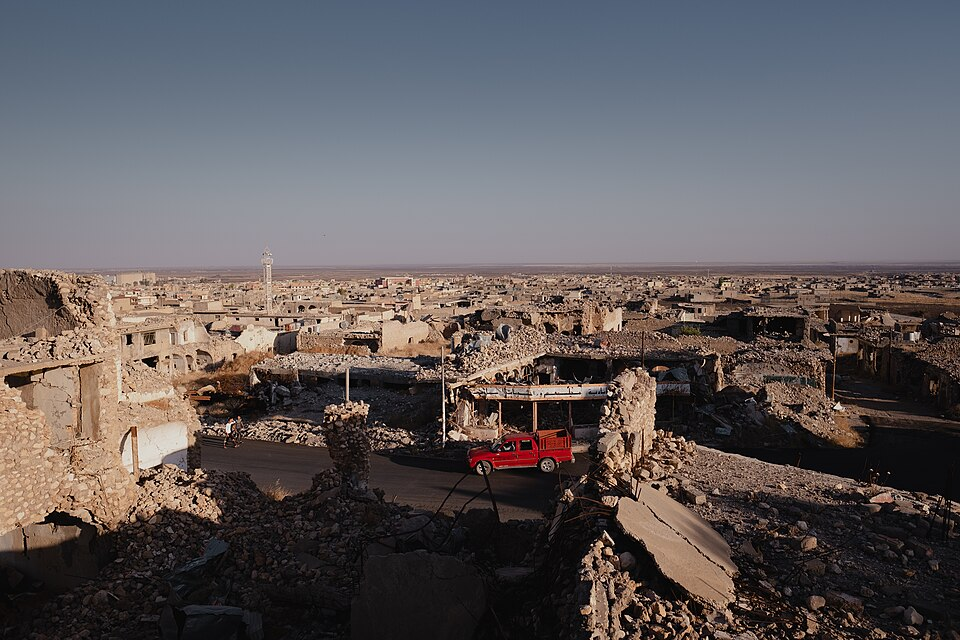
The Yazidi Genocide: When Justice Cannot Undo Horror

In March of this year, the Paris Criminal Court issued a historic ruling, sentencing French ISIL (Islamic State of Iraq and the Levant) foreign fighter Sabri Essid to life in prison for genocide and crimes against humanity. Essid, a central figure in French jihadist networks, was found guilty of systematic enslavement, deprivation of liberty, torture,

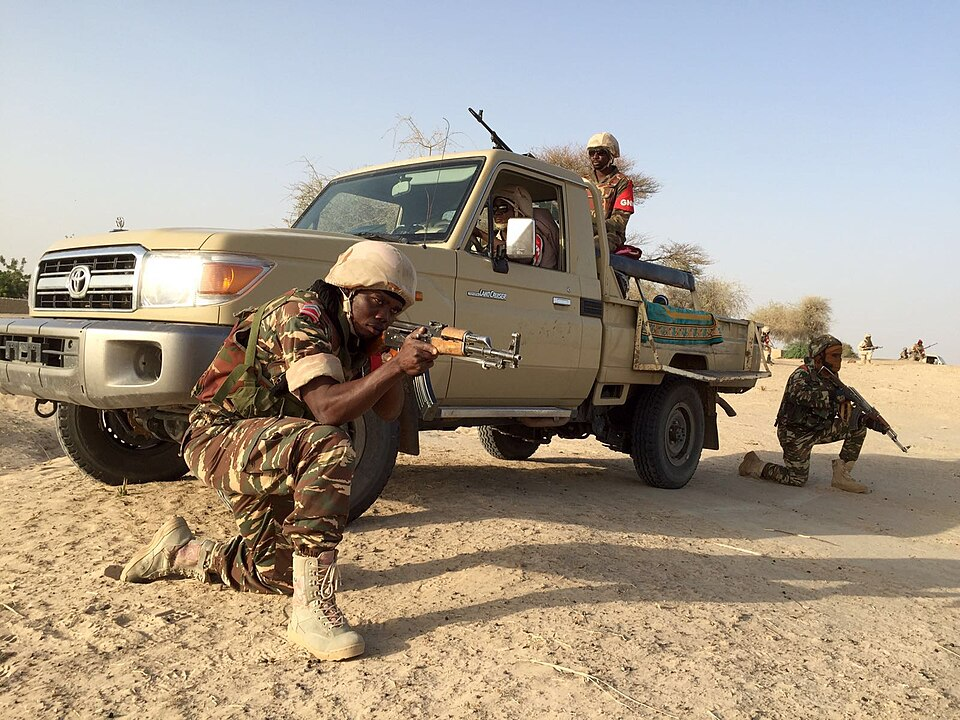
Breakthrough or Betrayal? Inside Nigeria’s Quiet Ceasefire

When navigating counterinsurgency, state actors are commonly faced with a crucial question: Can negotiations with an armed group reduce violence without granting the group political leverage? In June, the Nigerian government reportedly established a secret ceasefire with Boko Haram, a jihadist insurgent group that has waged an armed campaign against the secular Nigerian state since

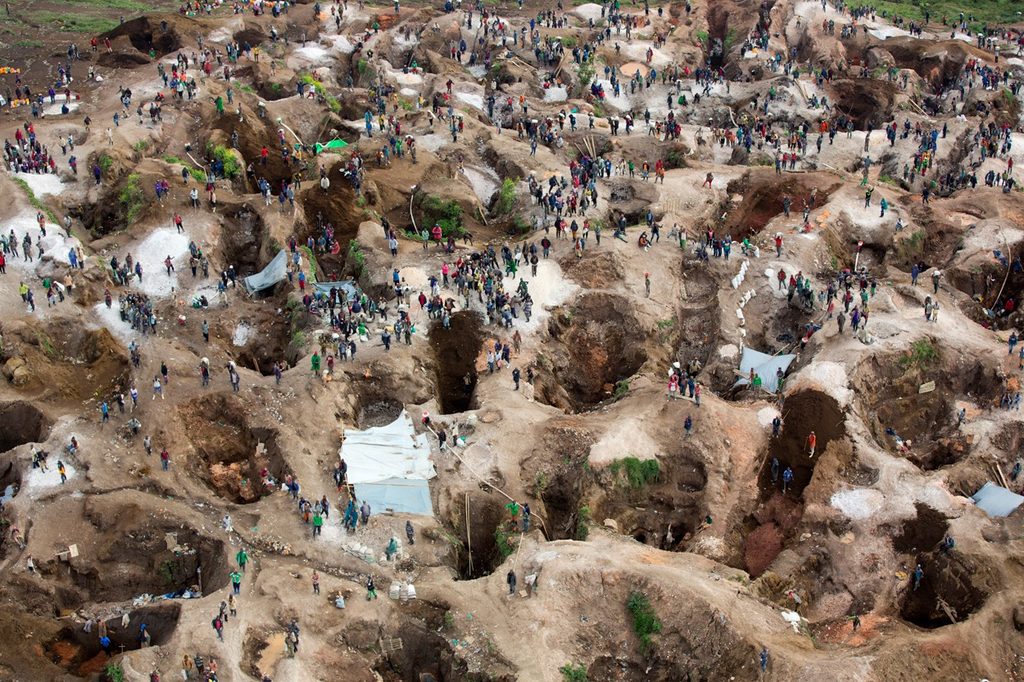
The Minerals in Your Phone are Fueling a War. Here’s How. 

The cellphone is the basis for our day-to-day life, and it seems as time progresses, we are unable to live without it. While our phones are essential for our daily lives, providing us the ability to communicate and to sit down and scroll on TikTok to unwind, most people are not aware of how they

The Robots are Coming for the Receptionists

In higher education today, students are being encouraged to pursue careers that are “safe” from AI, making entering the job market after university all the more daunting. But what does it mean for a job to be safe from AI, and who is occupying those jobs that are safe versus those that are vulnerable to

The unpatched method: Meta’s insidious role in the 2026 Brazil election

With 3.6 billion users across platforms such as Instagram, Facebook, and WhatsApp, Meta holds a monopoly over the attention economy. The company is uniquely positioned to influence people’s perspectives worldwide. Meta’s social media algorithms decide what content is suppressed or promoted to users. Time and time again, Meta’s apps have proven to be powerful tools

Scroll to Top